
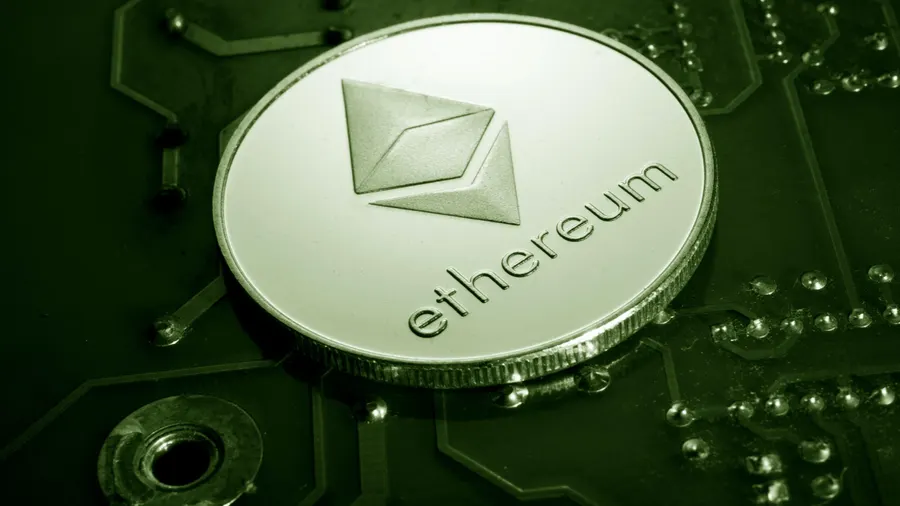
Ethereum is the second-largest cryptocurrency by market capitalisation and the most widely used programmable blockchain in the world. For Indian investors, understanding Ethereum means understanding not just a coin but an entire ecosystem of applications built on top of it. This guide covers everything you need to know.
What is Ethereum?
Ethereum is a decentralised blockchain platform launched in 2015 by Vitalik Buterin and a team of co-founders. Unlike Bitcoin, which was designed primarily as digital money, Ethereum was designed as a programmable platform.
Its core innovation is the smart contract: a self-executing piece of code that automatically enforces the terms of an agreement without needing a middleman.
With smart contracts, developers can build:
- Decentralised finance (DeFi) applications (lending, trading, yield)
- NFT platforms
- Decentralised exchanges (DEXs)
- DAOs (Decentralised Autonomous Organisations)
- Gaming applications
- Identity and verification systems
Ethereum’s native currency, Ether (ETH), is used to pay for computation on the network, called gas fees.
How Does Ethereum Work?
Ethereum operates as a global computer. Thousands of nodes around the world run the Ethereum software and collectively process every transaction and smart contract execution.
Since September 2022, Ethereum uses Proof of Stake (PoS) consensus (after “The Merge”). Validators stake ETH to participate in transaction validation. This replaced the energy-intensive Proof of Work mechanism and reduced Ethereum’s energy consumption by over 99%.
Unlike Bitcoin, Ethereum does not have a fixed supply cap. However, since EIP-1559 in 2021, a portion of every gas fee is burned (destroyed), which can make ETH deflationary under high network usage conditions.
What is The Merge?
The Merge was the transition of Ethereum from Proof of Work to Proof of Stake, completed in September 2022. It was one of the largest technical upgrades in blockchain history and was widely seen as successful.
After The Merge:
- ETH energy consumption dropped by ~99.95%
- New ETH issuance dropped significantly
- Validators replaced miners as the network’s security providers
Ethereum’s Ecosystem
DeFi: Ethereum hosts the majority of global DeFi: lending protocols (Aave, Compound), decentralised exchanges (Uniswap, Curve), and yield products with hundreds of billions in total value locked.
NFTs: Ethereum is home to the largest NFT platforms and collections (OpenSea, CryptoPunks, Bored Ape Yacht Club).
Stablecoins: Most USDT and USDC supply runs on Ethereum as ERC-20 tokens.
Layer 2s: Ethereum has a thriving ecosystem of Layer 2 solutions (Polygon, Arbitrum, Optimism) that reduce fees and increase transaction speed.
Ethereum in India
Ethereum is legal in India and classified as a VDA. Tax rules:
- Gains from ETH are taxed at 30%
- 1% TDS on qualifying transactions
- No loss set-off against other assets
ZebPay supports ETH/INR trading and has offered Ethereum to Indian investors since its early years.
How to Buy Ethereum on ZebPay
- Download ZebPay and complete KYC
- Deposit INR via UPI, NEFT, or IMPS
- Search for ETH in the Markets section
- Buy via Quick Trade (minimum ₹100)
Read more: How to Buy Ethereum in India
Risks of Investing in Ethereum
Price Volatility: ETH has experienced severe bear market drawdowns. Past performance does not guarantee future results.
Smart Contract Risk: Ethereum’s DeFi ecosystem carries smart contract vulnerability risks; bugs can lead to fund losses.
Regulatory Risk: India’s crypto regulations are still evolving.
Competition: Newer Layer 1 blockchains (Solana, Avalanche) compete with Ethereum for developers and users.
Always conduct your own research before investing.
Frequently Asked Questions About Ethereum in India
What is the difference between Ethereum and Ether?
Ethereum is the network. Ether (ETH) is the native currency used to pay for transactions on it. In practice, both terms are used interchangeably.
Does Ethereum have a supply cap?
No. Unlike Bitcoin’s 21 million cap, ETH has no fixed cap. However, EIP-1559 burns a portion of fees, which can reduce net supply.
What are gas fees?
Gas fees are the amounts paid to validators to process transactions on Ethereum. Fees vary based on network congestion.
Can I stake ETH on ZebPay?
Check ZebPay’s Earn section for current ETH staking or yield products. Always review terms and risks.
What is the minimum investment for ETH on ZebPay?
You can buy ETH with as little as ₹100 on ZebPay.
Is Ethereum better than Bitcoin?
Bitcoin and Ethereum serve different purposes. Bitcoin is primarily a store of value. Ethereum is a programmable platform. Both are established, high-risk assets. This is not financial advice.
Final Thoughts
Ethereum is not just a cryptocurrency. It is the foundation for a global ecosystem of decentralised applications. For Indian investors, it represents exposure to the broader potential of blockchain technology beyond digital currency.
Invest with a clear understanding of the risks, a long time horizon, and only with money you can afford to lose.
Get started today and join 6 million+ registered users exploring crypto investing on ZebPay!
Disclaimer: Crypto products and NFTs are unregulated and can be highly risky. There may be no regulatory recourse for any loss from such transactions. Each investor must do his/her own research or seek independent advice if necessary before initiating any transactions in crypto products and NFTs. The information in this article is for educational purposes only and does not constitute financial or investment advice.