

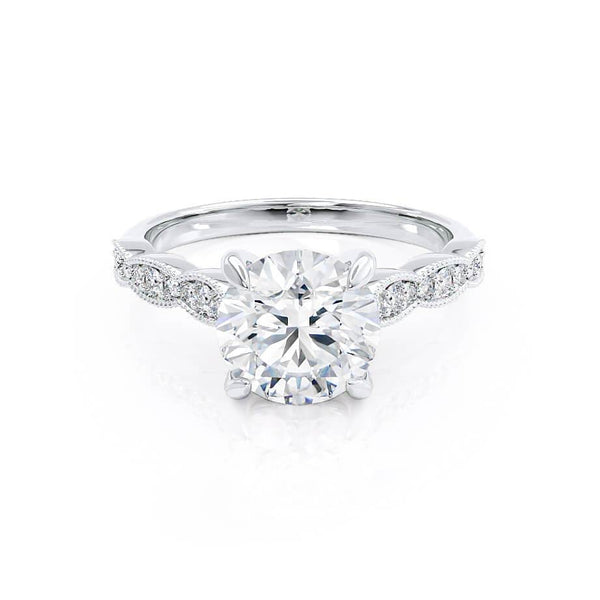
In recent years, the fashion landscape has shifted dramatically as shoppers have become more selective, values driven, and eco aware. This transformation is especially evident among consumers exploring brands such as lily arkwright, where the focus on responsible sourcing and ethical craftsmanship mirrors a broader movement in the industry. Conscious choices made at the individual level now ripple outward, influencing supply chains, marketing strategies, and long term business models.
At the heart of this shift is a growing awareness of the environmental footprint associated with fashion. Traditionally, the industry has faced criticism for excessive waste, resource intensive production, and short product lifespans. As consumers begin to understand the impact of fast fashion on ecosystems and communities, they increasingly seek items that offer durability, transparency, and reduced harm. This mindset places pressure on brands to adopt cleaner practices, from using recycled textiles to integrating renewable energy in manufacturing.
Beyond materials, conscious consumerism also spotlights the conditions under which clothing is made. People want assurance that workers are treated fairly, paid appropriately, and protected throughout the production process. This shift in expectations encourages companies to evaluate their partnerships, audit factories, and publicly share information about how and where garments are created. The desire for ethical transparency becomes a powerful motivator for brands to elevate their standards.
Another key factor driving change is the rise of minimalism and intentional purchasing. Instead of buying numerous items each season, consumers lean toward building versatile, long lasting wardrobes. They invest in fewer but higher quality pieces that age well and reflect personal values. This intentional approach reduces waste and simultaneously rewards brands that focus on craftsmanship over mass production. As a result, fashion houses are rethinking their collections, producing smaller batches, and prioritizing timeless designs instead of rapidly changing trends.
Technology also plays a significant role in amplifying conscious consumer choices. Social media and digital platforms make it easier for shoppers to research brands, compare sustainability claims, and hold companies accountable. Influencers and advocates who share insights about eco responsible products further reinforce these ideas, helping conscious purchasing habits spread across diverse audiences. This digital transparency pushes fashion labels to be more thoughtful in their messaging and to substantiate their sustainability claims with measurable actions.
Circular fashion is another area gaining momentum due to informed consumer behavior. Practices such as clothing rental, resale, and upcycling have become mainstream as people look for alternatives to buying new items. These models extend the lifespan of garments while reducing the demand for continuous new production. As more people adopt circular habits, brands respond by creating repair programs, take back initiatives, and recyclable product lines. This evolution not only reduces environmental strain but also fosters deeper brand loyalty.
Ultimately, conscious consumer choices are reshaping fashion markets by redefining what shoppers value and expect. Brands that adapt to these preferences can build stronger relationships with their audience, while those that resist risk losing relevance. Sustainability, ethics, and transparency are no longer niche interests but central pillars of modern fashion culture. As awareness continues to grow, the industry will likely keep evolving toward more responsible, thoughtful, and regenerative practices.
The long term impact of this shift is profound. By choosing products aligned with their values, consumers become active participants in shaping a more ethical and sustainable fashion ecosystem. Their decisions guide innovation, influence corporate behavior, and create a market in which responsibility is not merely an option but a fundamental expectation.
